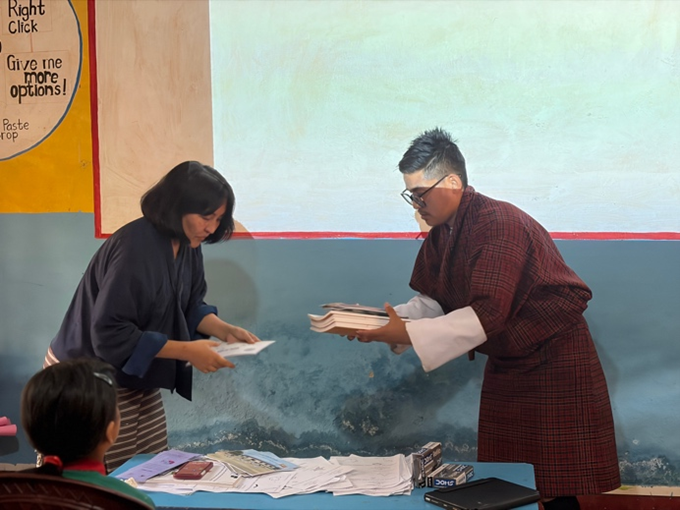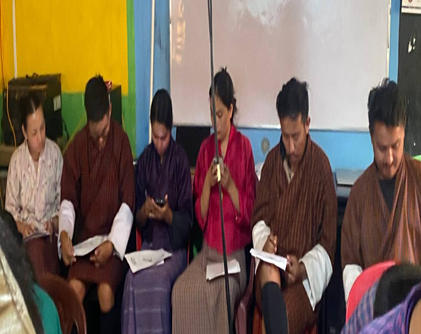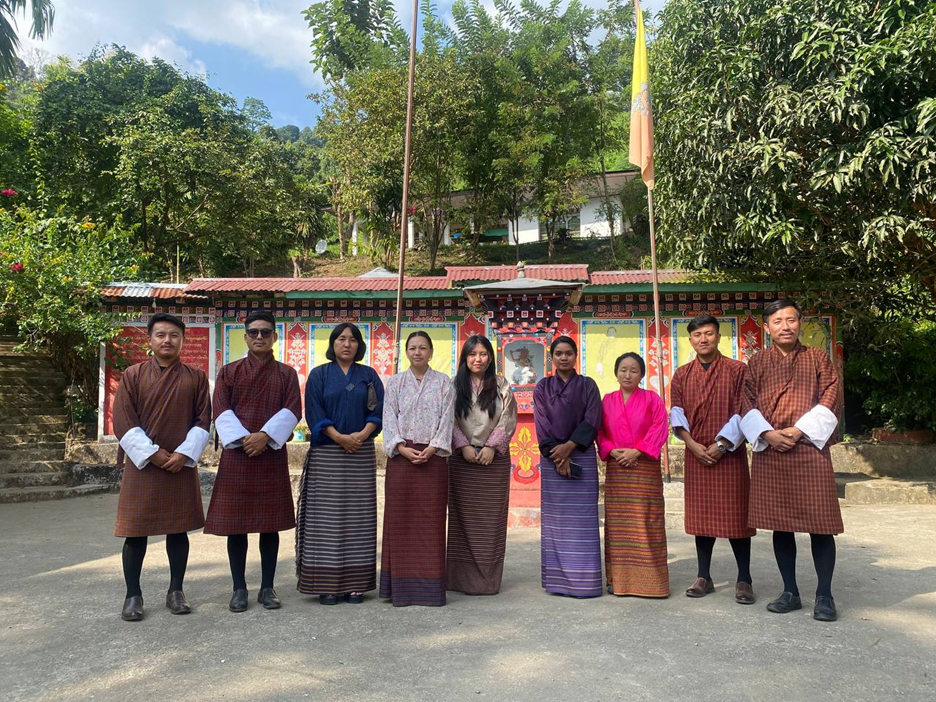
A one-day capacity-building workshop on scaling LIKE Clubs was conducted at Bukkey Primary School on 23 October 2026 as part of the Gender Equality and Social Inclusion (GESI) Project’s scaling initiative. The workshop was attended by seven teachers and six other staff members, who participated in the sessions to strengthen their understanding of the LIKE Club approach and its potential to promote gender equality and social inclusion.
The training was facilitated by Kinley Seden, Project Coordinator and Researcher of the GESI Project, and Ms. Kuenga Lhamo, LIKE Club Focal Teacher at Yeoseltse Higher Secondary School.
The workshop began with an introduction to the GESI Project, followed by a presentation of the baseline and endline findings from the implementation of LIKE Clubs in five schools in Samtse Dzongkhag. The facilitators explained how Children’s Valued Educational Capabilities (CVECs) provide a framework for understanding children’s well-being, learning and agency, and how capability-focused activities can address identified gaps while advancing gender equality and social inclusion.
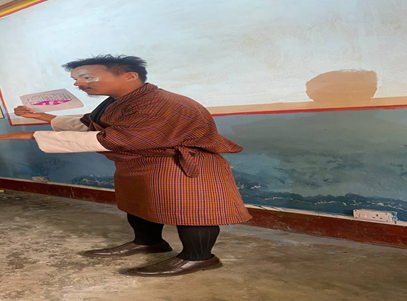
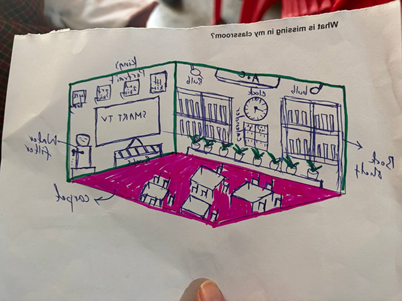
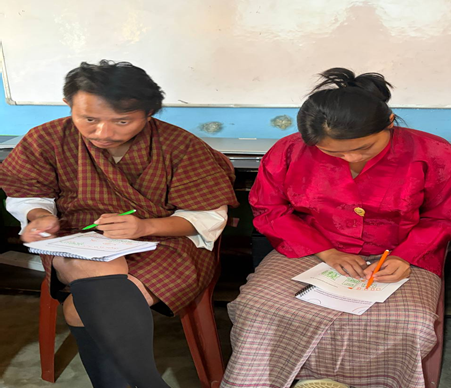
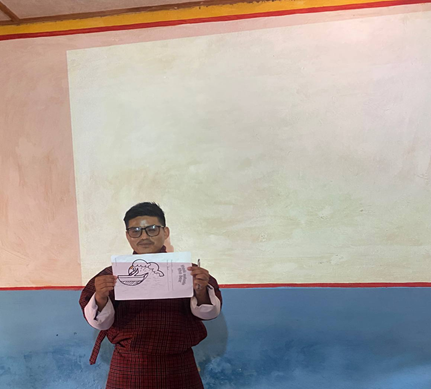
The practical sessions focused on strengthening capabilities related to Mental well-being, Understanding, interpreting, Planning, imagination and critical thinking, Education, Mobility, aspiration and Nutritional well-being. Activities included Emotions Cards, Garden of Kindness, Healing Garden, Choosing to Eat Well, What Is Missing in My Class? and Think Outside the Box. These activities demonstrated how teachers can create opportunities for children to express their emotions, practise kindness, reflect on inclusive classroom environments, make healthy choices, and develop creativity and problem-solving skills.
Teachers and staff participated actively, exploring how the activities could be adapted to their school context. The sessions emphasised the importance of creating supportive learning environments in which children can express their views, make choices, participate in decisions, and develop capabilities that contribute to their overall well-being.
Feedback gathered from teachers following the workshop indicated a positive response to the idea of establishing LIKE Clubs at Bukkey Primary School. Participants expressed their interest in introducing the initiative and suggested conducting LIKE Club activities during the weekly school assembly to provide regular opportunities for students to participate in capability-strengthening activities.
One female teacher observed that establishing a LIKE Club would take students beyond what they usually learn in the classroom, providing opportunities for both teachers and students to acquire new knowledge and develop new skills. Her reflection highlighted the potential of LIKE Clubs to enrich learning experiences through activities that extend beyond conventional classroom instruction.
A male teacher shared that the workshop had deepened his understanding of gender equality and social inclusion, particularly the importance of recognising and valuing individuals from diverse backgrounds. He also expressed particular interest in the Think Outside the Box activity, noting that such activities encourage students to use their imagination, think creatively and move beyond conventional ways of thinking.
Other teachers similarly expressed support for establishing LIKE Clubs in schools, emphasising that the initiative would give children opportunities to explore ideas, experiment and develop innovative solutions. They highlighted the potential of these activities to nurture creativity, critical thinking and problem-solving skills while enabling children to recognise and develop their own capabilities.
Towards the end of the workshop, the GESI Project shared key project outputs with the school to support the continued implementation and scaling of LIKE Clubs. These resources included LIKE Club activity materials, the LIKE Club Manual, children’s books and the project’s YouTube page. The resources will provide teachers and students with practical guidance, activity ideas and learning materials to facilitate club activities and strengthen children’s valued educational capabilities.
The workshop marked an important step towards scaling LIKE Clubs at Bukkey Primary School. Teachers’ reflections and suggestions indicated an interest in incorporating the initiative into regular school activities and creating more opportunities for children to learn through participation, creativity and inclusive practices. With continued engagement and the use of shared resources, the school can build on this initial capacity-building effort to foster a more inclusive, participatory and empowering learning environment and support the sustainability of LIKE Clubs beyond the project period.